
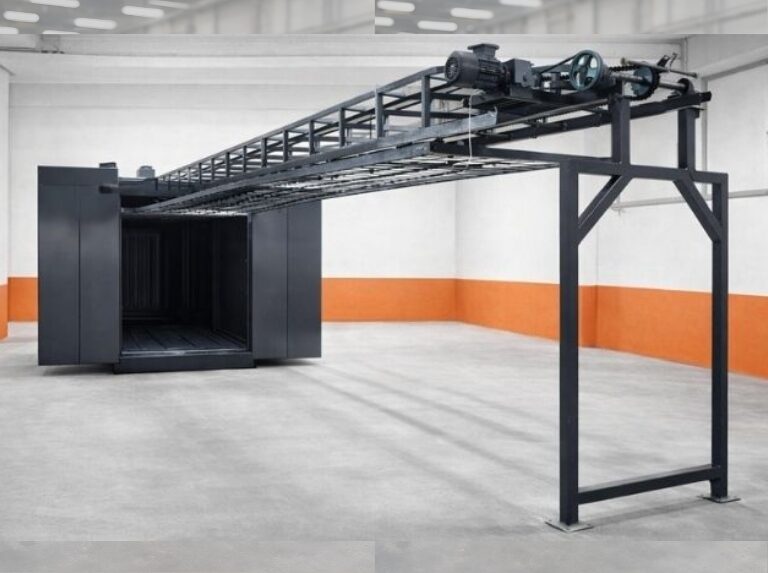
Overhead Pallet Powder Coating Oven (Gas)
Overhead Pallet Powder Coating Oven (Gas)
About This ProductOverhead Pallet Powder Coating Oven (Gas)
The pallet transport system allows coated parts to move through the oven without hanging, minimizing surface damage and reducing manual handling.
Why Natural Gas?
- 30-40% energy cost advantage over electricity
- Fast heat-up time (35-45 minutes)
- Continuous operation capacity
- Suitable for both tunnel and box type applications
- Direct flame (burner) or indirect heat (heat exchanger) options
Our Videos
 Video
Video
Photos & Videos
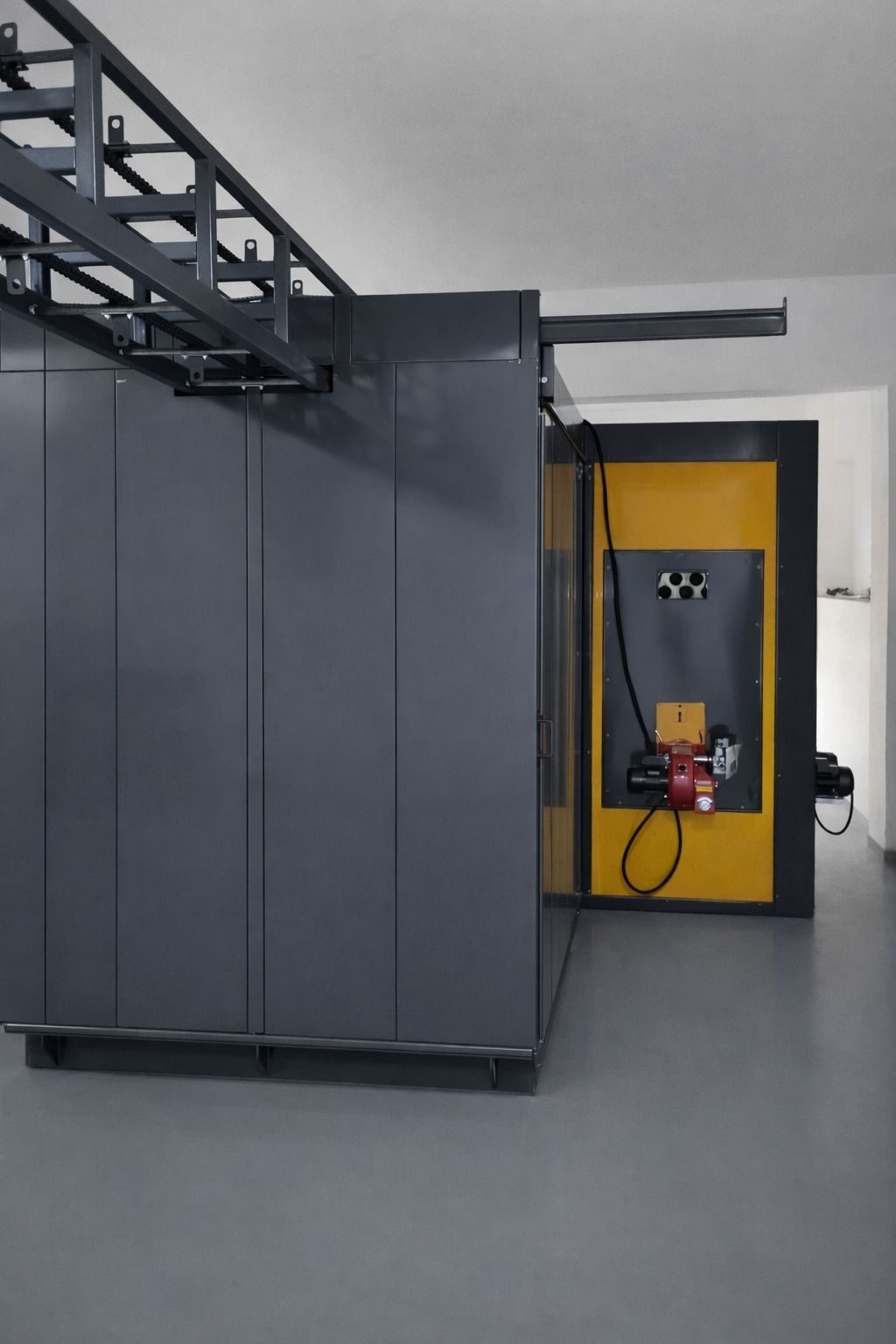
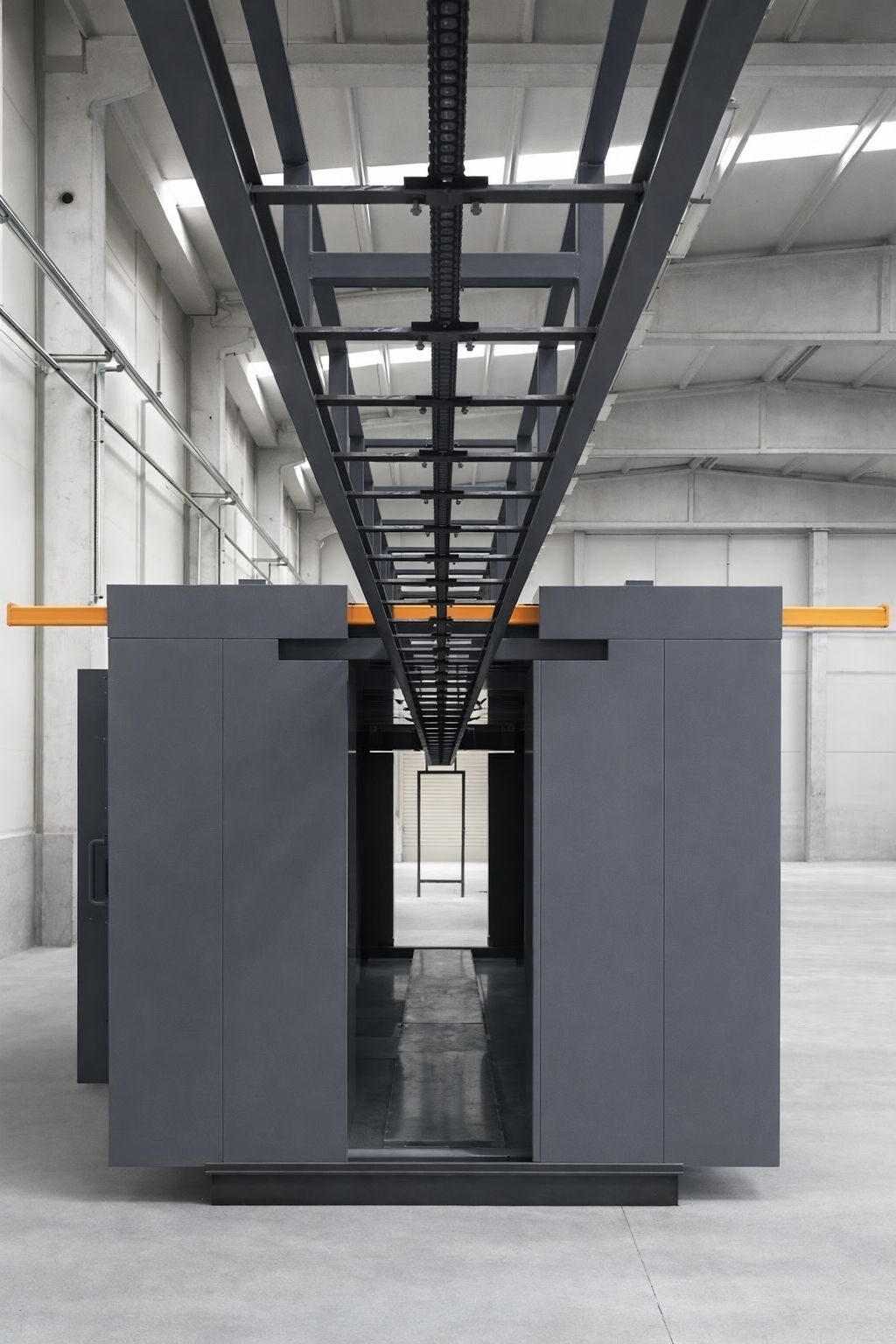
What production it suits
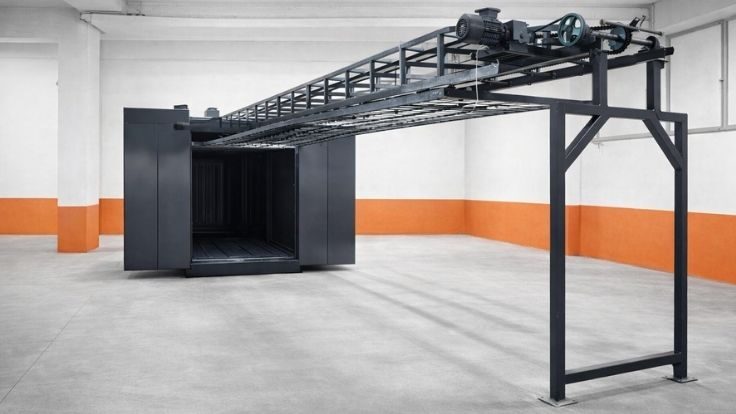
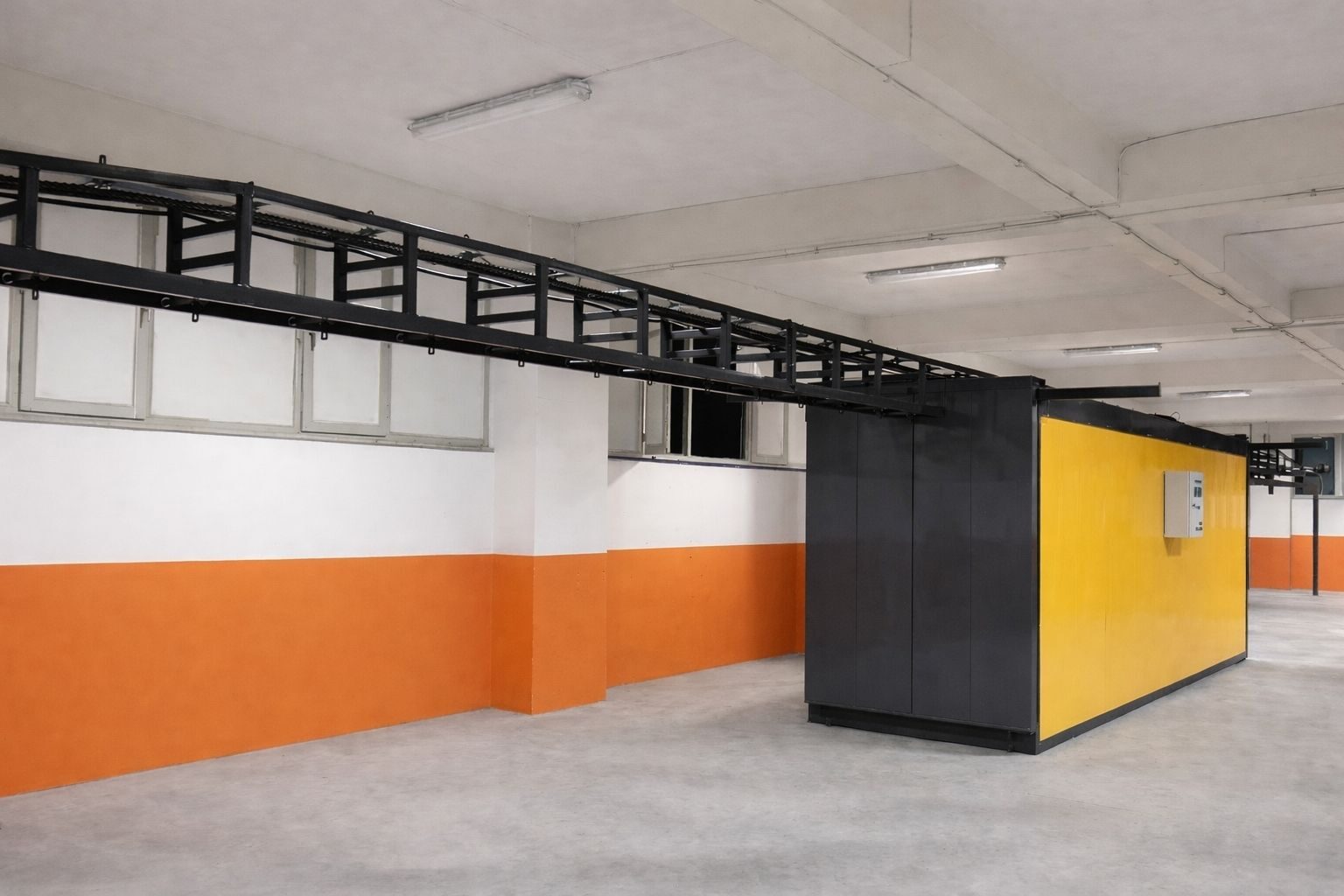
A top-loading oven carries parts in on an overhead pallet or conveyor and runs without interruption. Because loading and unloading follow the line rather than the floor, it gives both higher capacity and a safer working pattern than a box oven; heavy parts no longer have to be lifted by hand. It runs on natural gas or LPG and is built between 50,000 and 500,000 kcal/h. It is the right oven for plants with long daily hours running the same part type continuously.
Where the gas advantage begins
This oven saves 30–40% energy compared with the electric equivalent. But that is a ratio: what it is worth depends on how much energy you consume. In a workshop running two or three hours a day, total consumption is already low, so the saving stays small in absolute terms and the gas subscription, meter, pressure regulator and internal pipework take years to pay back. In a plant running 8 hours or more, the same ratio becomes a large difference and the installation cost returns quickly.
Heat-up time and shift planning
Heat-up takes 35–45 minutes, varying with oven volume, insulation and ambient temperature. That time is part of shift planning: nothing is produced while the oven heats, so the shift start has to be set accordingly. The working range is 140–220 °C, concentrated in the curing band. Control is by PID controller plus a safety thermostat; the oven is manufactured under CE and TS EN 1020.
What to prepare before installation
With a gas oven the real schedule is not in the machine but in the infrastructure. The subscription application, meter, pressure regulator, internal pipework and stack form a separate process, and the time from application to gas being supplied is usually longer than the manufacturing lead time of the oven. We therefore recommend starting the application in the same week as the machine order; otherwise the oven waits on site. Where there is no gas grid, LPG is an option, but unit cost and tank logistics must be included in the calculation.
The mistake we see most often on site
The most common problem in plants buying a gas oven is not technical but scheduling: the machine is ready and the gas is not connected. Second comes leaving the stack and ventilation until later; when the line runs, workshop air and measured values become a problem and the work has to be done after production has started. Third is not writing heat-up time into the shift plan: 35–45 minutes is either lost every morning or planned for properly.
Technical Specifications
Frequently Asked Questions
How much does a gas oven save compared to an electric one?
Our top-loading gas oven saves 30–40% energy compared with the electric equivalent. The actual gap depends on local gas and electricity prices and on daily running hours — the longer you run, the bigger the gas advantage.
How long does a gas oven take to heat up?
Heat-up time is 35–45 minutes, varying with oven volume, insulation and ambient temperature. Shift start times should be planned accordingly.
How does a top-loading oven work?
Parts are carried into the oven on an overhead pallet or conveyor, so loading and unloading follow the line rather than the floor. This gives higher and uninterrupted capacity compared with a box oven.
How is oven capacity calculated?
Our ovens are built between 50,000 and 500,000 kcal/h. The correct capacity comes from part mass, parts per hour, curing temperature and line speed considered together.
How is safety handled on a gas oven?
Control is by PID controller plus a safety thermostat. The oven is manufactured under CE and TS EN 1020 and can run on natural gas or LPG.
Related guides
Request Quote
Share your details and we'll prepare a custom price quote and technical solution for you.
Request Quote
Overhead Pallet Powder Coating Oven (Gas)