
Phosphating or Nano-Ceramic? Iron, Zinc and Zirconium Compared
Iron phosphate is cheap and forgiving, zinc phosphate raises corrosion resistance but brings sludge and wastewater load, nano-ceramic runs at low temperature yet is unforgiving about surface cleanliness and water quality. This article compares the three conversion coatings by stage count, bath temperature, sludge volume and heating cost.
 Enlarge
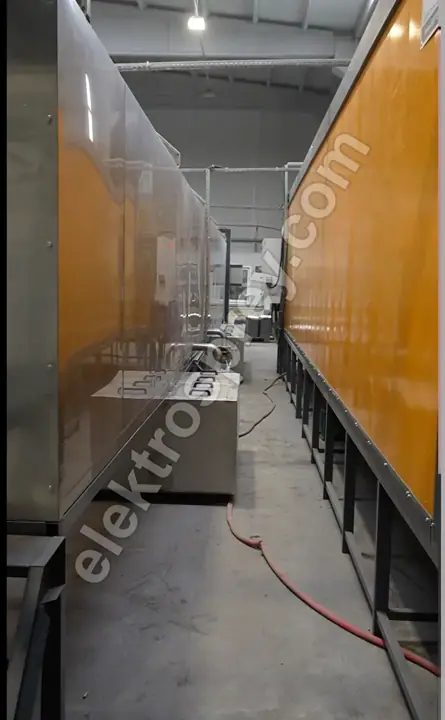
Whether a nano-ceramic coating or a phosphate suits your powder coating line is decided by the line, not by the chemistry: iron phosphate typically asks for 3-5 stages, zinc phosphate for 5-7 stages, and zirconium-based nano-ceramic for 4-6 stages — and that stage difference writes itself straight into tunnel length, tank volume and heating load. The number of heated tanks is usually one for iron phosphate, two or three for zinc phosphate, and close to zero for nano-ceramic. The decision is therefore about which line you can afford to run, long before it is about a corrosion promise.
This article promises no coating weight and no salt spray hours; those values depend on the chemistry you buy, the substrate and the paint system, and you take them from your supplier in writing. Our subject is the plant itself: how many tanks, at what temperature, how much sludge, how much rinse water, how much heating cost.
What the three conversion coatings actually do
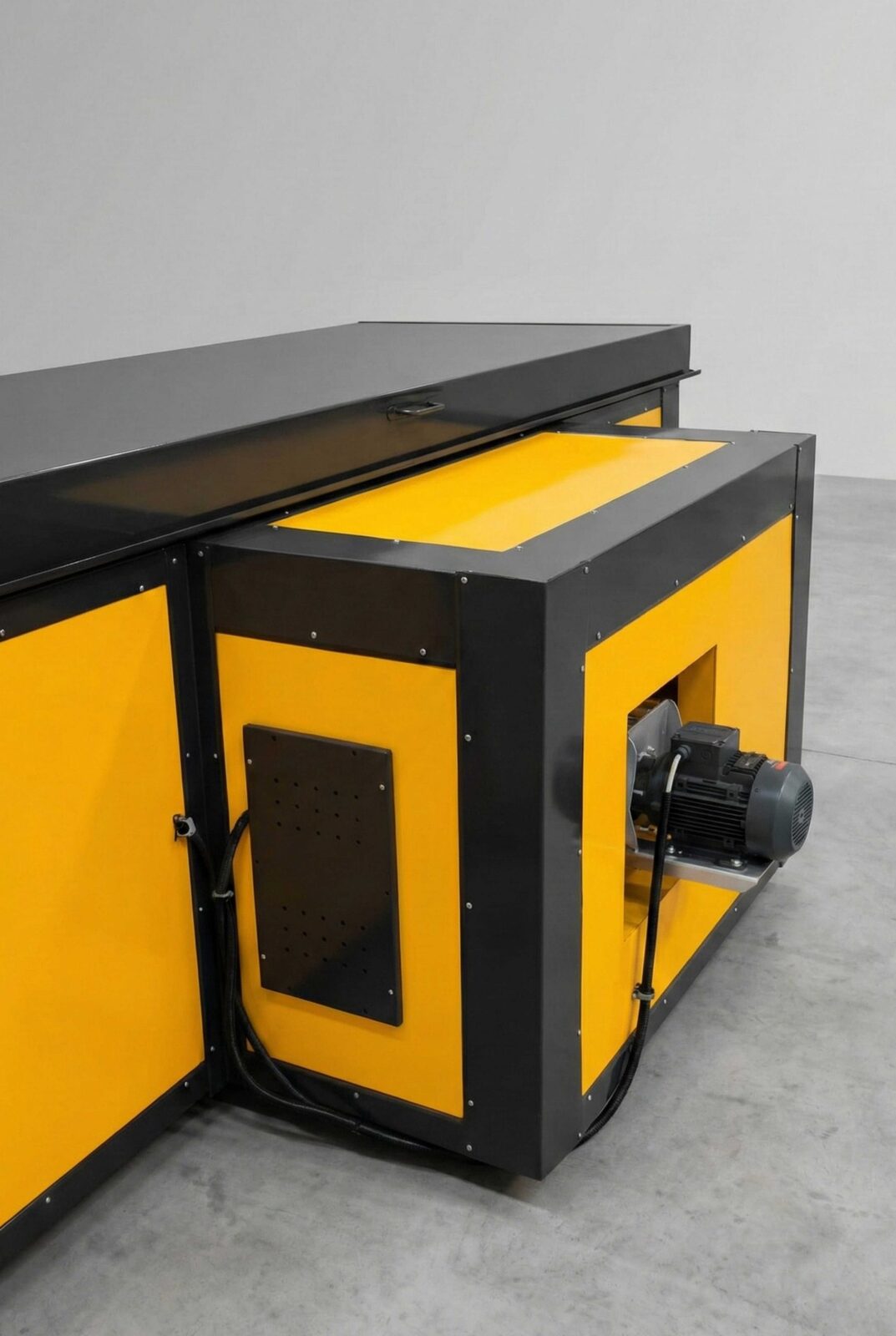
All three do the same job: they build a thin intermediate layer on bare metal that the powder can anchor to, that behaves correctly under an electrostatic field, and that delays corrosion. They differ in the chemistry used and the conditions required.
Iron phosphate often works in a single bath combined with degreasing. It is forgiving: when bath concentration drifts or some soil is left on the surface, quality suffers but the line keeps running. It is the common choice for sheet metal work, furniture frames, shelving and indoor products.
Zinc phosphate leaves a crystalline and noticeably heavier layer. It is chosen where corrosion expectations are high, where parts stay outdoors or face stone impact. The price is sludge: the bath precipitates continuously, so the sludge cone, the settling volume and the drain routine have to enter the plant design from day one. We covered that side separately in pretreatment sludge removal.
Zirconium-based nano-ceramic leaves a very thin conversion film, works at low temperature — in some formulations at ambient — and produces almost no sludge. In return it demands two things: a genuinely clean surface and controlled conductivity in the rinse water. Without those two, nano-ceramic will not forgive the mistakes phosphate forgives.
Stages, temperature, sludge: the decision table
| Criterion | Iron phosphate | Zinc phosphate | Nano-ceramic (Zr) |
|---|---|---|---|
| Typical stage count | 3-5 | 5-7 | 4-6 |
| Heated tanks | Usually 1 | 2-3 | 0-1 |
| Typical bath temperature band | Up to warm | Hot, the highest | Ambient to warm |
| Sludge formation | Low | High, needs constant removal | Very low |
| Activation stage | Not required | Usually required | Not required |
| Final rinse water | Mains + final rinse | Mains + final rinse | Demineralised, mandatory |
| Tolerance to surface soil | High | Medium | Low |
| Wastewater load | Low to medium | High (phosphate/zinc) | Low |
| Heating cost | Medium | Highest | Lowest |
| Commissioning difficulty | Easy | Medium | Needs measurement discipline |
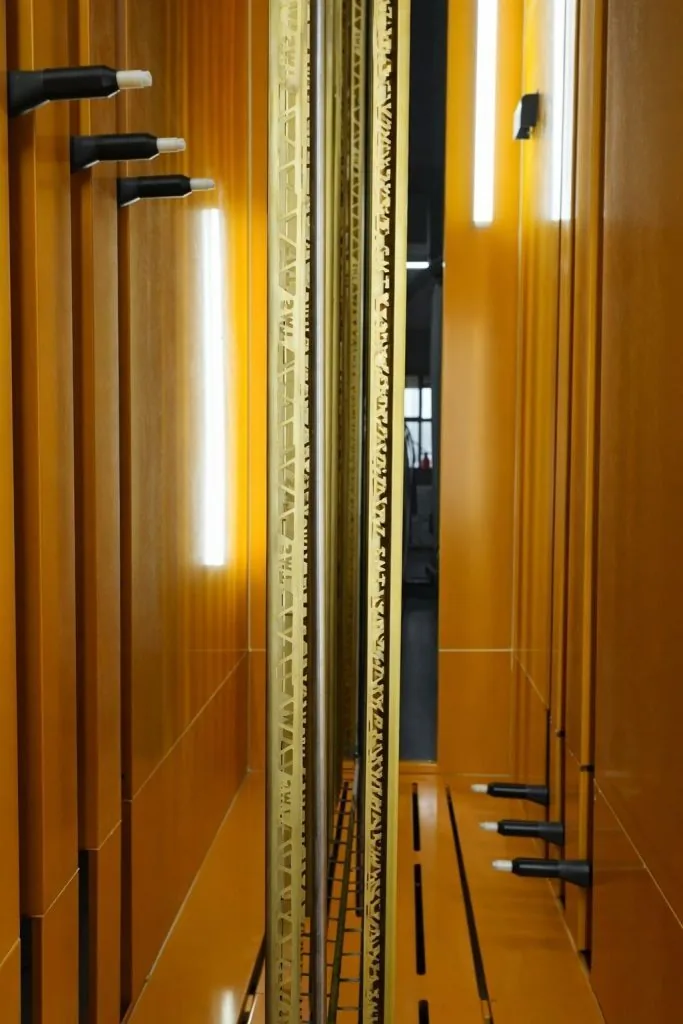
The stage column turns directly into tunnel length when we build a tunnel type powder coating plant. Because conveyor speed is selected in the 1-6 m/min band, every added stage means more steel structure, more floor area, and more wet surface entering the drying oven. How the stage count is determined is set out step by step in how many pretreatment stages you need.
Running cost: where the bill is burned
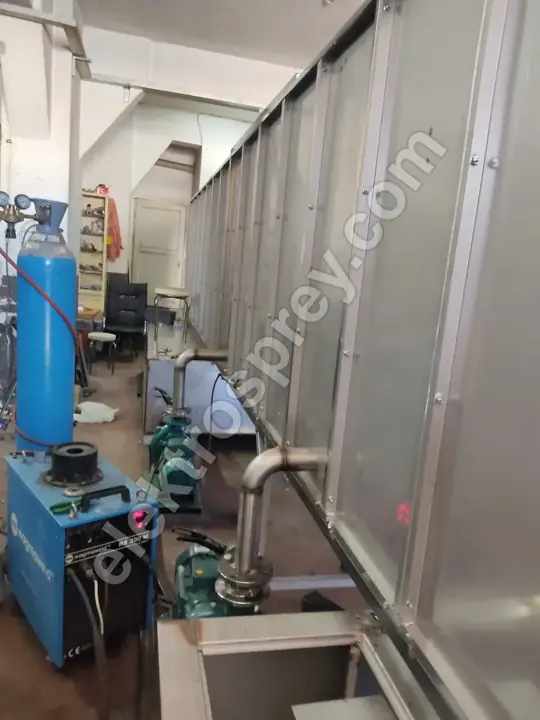
Pretreatment running cost has three items: heating, water and wastewater, chemistry. Their weighting shifts with the conversion coating you choose.
Heating dominates with zinc phosphate. Holding two or three hot tanks on band through the shift — especially in an immersion line where tank volumes are large — creates the biggest fixed cost of the plant. Nano-ceramic cuts that item substantially, and for many investors low-temperature operation is the whole attraction. The saving is not one-directional, though: because nano-ceramic requires demineralised water production and conductivity monitoring, part of what you save on heating goes back into water treatment.
On the wastewater side the ranking is clear. Zinc phosphate produces both sludge and a load that must be treated; disposal of phosphate- and zinc-bearing waste can be a serious operating item depending on your local discharge rules. Nano-ceramic lightens that side noticeably. Iron phosphate sits between the two.
| Cost item | Iron phosphate | Zinc phosphate | Nano-ceramic |
|---|---|---|---|
| Bath heating | Medium | High | Low |
| Water treatment (demineralised) | Limited | Limited | Mandatory, continuous |
| Sludge disposal | Low | High | Very low |
| Wastewater treatment load | Medium | High | Low |
| Bath control labour | Low | Medium | High, measurement discipline |
| Drying oven load | Depends on stages | Highest (most stages) | Medium |
Water quality: the unforgiving side of nano-ceramic
Most problems in plants that switch to nano-ceramic come from water, not chemistry. Because the film is so thin, salt residue left on the surface at final rinse creates a weak zone under the paint, and the defect usually shows up not at the end of the line but in the field months later. That is why conductivity of the final rinse is measured and recorded on a nano-ceramic line; we detailed the measurement routine and threshold logic in demineralised water and conductivity monitoring.
The second sensitivity is degreasing. Nano-ceramic will not build a sound film on a surface that still carries an oil film. On phosphate lines slightly incomplete degreasing often passes unnoticed; with nano-ceramic it turns directly into an adhesion defect. The practical conclusion: if you are moving to nano-ceramic, do not take your stage savings out of the first degreasing stage.
Matching the coating to the production profile
| Production profile | Suitable conversion coating | Reason |
|---|---|---|
| Indoor sheet metal furniture, shelving, panels | Iron phosphate | Forgiving, low waste, short line |
| Outdoor steel structures | Zinc phosphate | High corrosion expectation, sludge accepted |
| White goods / high-volume sheet metal | Nano-ceramic | Low running cost, stable water regime achievable |
| Aluminium profile | Nano-ceramic or aluminium-specific chemistry | Phosphate does not deliver the expected result on aluminium |
| Mixed substrates (steel + aluminium + galvanised) | Nano-ceramic | One bath can handle several substrates |
| Heavy soil or rust, irregular part intake | Iron or zinc phosphate | Forgives fluctuating surface cleanliness |
The mixed-substrate row is the most asked question of recent years. If steel, aluminium and galvanised parts all run on one line, managing all three equally in a single phosphate bath is difficult, and zirconium-based chemistries offer a practical answer. Where part intake is irregular and soil load varies, however, the tolerance of phosphate still has real value.
The build side: immersion or tunnel
The conversion coating decision also shapes the line type. In an immersion layout the tanks are large and heating cost per stage is higher, but coverage on complex geometries and enclosed sections is better; the immersion surface treatment line where we combine degreasing, phosphating, passivation and drying stages is built for exactly that need. In a spray tunnel layout, water and chemical circulation is more controlled, which is why it is preferred in plants reaching the 500-5,000 parts/hour band.
In both layouts, tank volume, conveyor speed and tunnel length are calculated from the customer's largest part; there is no catalogue size. Drying oven capacity follows the same calculation: the more stages, the more water carried on the surface and the higher the drying load. Every line we deliver carries a 2-year manufacturer warranty.
Frequently asked questions
Does nano-ceramic fully replace phosphate?
No. Nano-ceramic is strong where you want low heating cost, little sludge and flexibility across substrates. But in plants with fluctuating surface cleanliness, irregular part intake and no way to install water treatment, phosphate remains the safer choice. The decision looks at the plant's measurement and maintenance discipline, not at which chemistry is newer.
Can I reduce the stage count if I move to nano-ceramic?
Somewhat — the activation stage is not needed, so the count drops compared with zinc phosphate. But do not take that reduction out of degreasing or the final rinse. With nano-ceramic the saving belongs on the heating side, not the cleaning side; build the stage plan on the measured soil load of your actual line.
How much does zinc phosphate sludge occupy the line?
Sludge is the unavoidable output of zinc phosphate, and the line stops if the design does not anticipate it. The sludge cone, settling volume and routine drain access must be planned from the start. When they are not, the outcome is predictable: blocked nozzles, deposits on heaters, bath concentration drifting out of control, and unplanned downtime.
Can I convert my existing phosphate line to nano-ceramic?
In most cases yes, under three conditions: an adequate degreasing stage, a demineralised water source for the final rinse, and a conductivity measurement routine. Tank material and circulation equipment should also be reviewed. Do not make the conversion decision before your existing stage layout and water infrastructure have been inspected on site.
Which option lowers total cost?
At the moment of investment the cheapest line is usually iron phosphate: fewer stages, fewer heated tanks. Across the operating life nano-ceramic can pull ahead because it cuts the heating and wastewater items — but only if water treatment and measurement discipline are genuinely established. Zinc phosphate is chosen when the corrosion expectation makes it mandatory; it arrives with the specification, not with a cost comparison.
Summary
Choosing between the three conversion coatings is not a chemistry preference but a plant design preference. Iron phosphate gives a short line, low waste and high tolerance. Zinc phosphate raises corrosion resistance, and raises stage count, heating cost, sludge management and wastewater load along with it. Nano-ceramic cuts the heating and sludge items sharply, and in return accepts no compromise on surface cleanliness or water quality. The correct order is: substrate and corrosion expectation first, then wastewater and water treatment infrastructure, and the chemical brand last.
Send us your substrate, your daily capacity and your existing water and wastewater infrastructure — we will work out together how many stages and which conversion coating layout fit your line.